
Does wood matter in an electric guitar?
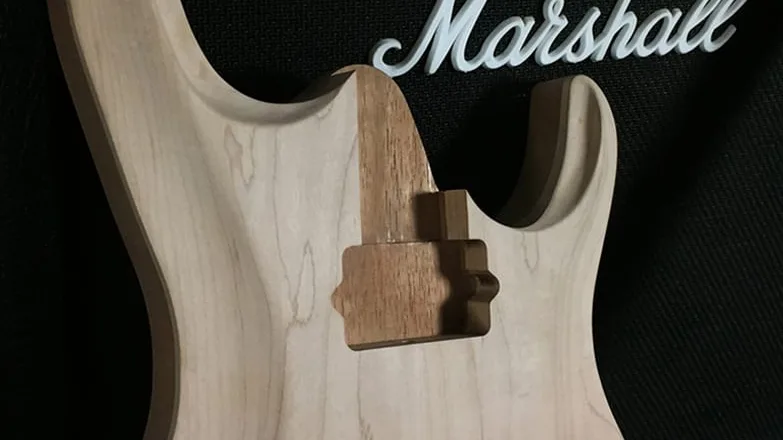
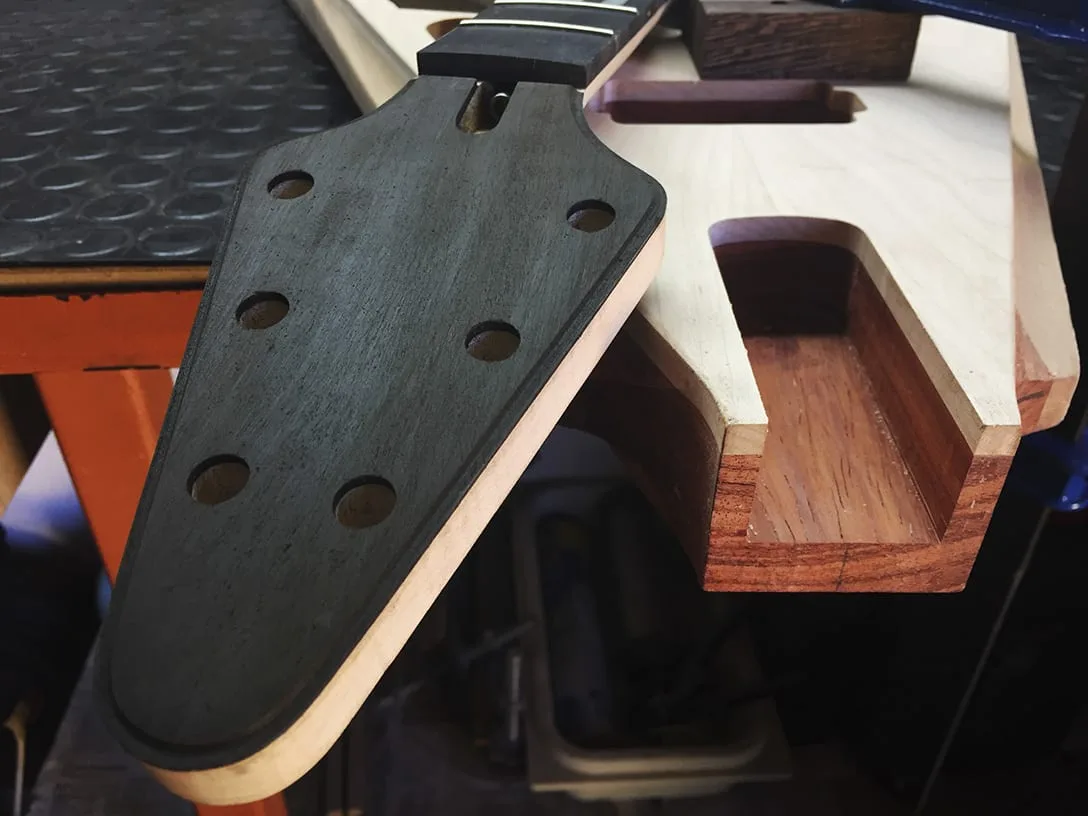
Today's article is about a really interesting topic: how much does wood actually influence an electric guitar? Some people think that, since it's a modern electric instrument, it's the mechanism itself, that is, the electronics and a good valve amp among other things, that determines the sound of our guitar, leaving the wood aside. Others, on the contrary, give wood a much bigger role.
So what's true in all this? Well, the type of wood we use to build the instrument is vitally important, and you could write a book thicker than "Don Quixote" about it. From my point of view and my experience, I can say that the tone of a guitar changes noticeably depending on the wood. That said, the wood has to be perfectly dry and seasoned, and free of knots or flaws. With that in mind, you could say that practically any good hardwood would be suitable for building an electric guitar. But then why does everybody talk about mahogany, ash or alder and we don't consider other options? Because when people started building electric guitars they mainly used mahogany, since it's an excellent quality wood, it's beautiful and they had plenty of it. If the first electric guitar had been built here in El Bierzo, it would probably have been made of oak or holm oak, and it wouldn't have been any worse for it. Weight is another matter, but we'll talk about that in a future article.
When we talk about mahogany, to stick with our example, there are several species, but the best known are Honduras mahogany (Swietenia macrophylla) and African mahogany (Khaya spp), both from the Meliaceae family. In the 80s mahogany was used massively in luxury cabinetmaking, car interiors, yachts and a long etcetera… Demand was so high that today it's protected and not easy to get, especially Honduras mahogany, which in some places is sold as American mahogany. On top of that, some of the best-known guitar makers bought entire mahogany forests to have a large stock of wood.
So is it essential for a guitar to be made of mahogany in order to sound great? In my opinion the answer is no, especially knowing that it's not that easy to get, and that what you can get may not be as good as we think. That's why I like to explore new alternatives with woods other than the established ones, woods that give the instrument a good sound and character. As I said before, I like to use Spanish cedar (Cedrela odorata), which has a texture very similar to Honduras mahogany, the one used in the first Gibsons, and also a similar density. Other species such as Khaya tend to be denser, which has led some makers to drill chambers to reduce the weight, a factor that is linked to the sustain our electric guitar will have.
To sum up, the right thing is to find a balance between the woods, the hardware and the electronics we use. There's no point in using top-quality woods and then cutting corners on the rest of the components, and vice versa. It would be like using really good hardware and electronics and then putting in plywood. Last but not least, we mustn't forget the type of construction of the guitar, because that will also be decisive in the final result. In conclusion: the type of wood, the type of construction, good hardware and electronics and, of course, an amp that's up to the job. The sum of all these elements, more or less at the same level, is what gives you an excellent instrument, without EVER forgetting the guitarist's fingers.
That's all for today's article. Feel free to leave any comments you like, this interesting topic is open for debate. Best regards to all you music lovers. See you in the next article!
Comments (0)
No comments yet.